Dental Implants
Dental Implants
Dental implants offer a stable, long-term way to replace missing teeth. At VA EPIC, treatment is planned carefully around your bone support, bite, esthetic goals, and overall oral health.
What Are Dental Implants?
The Permanent Solution for Missing Teeth
See how the implant, abutment, and crown work together to restore both structure and function.
Phase 1
The Implant
A medical-grade titanium post is surgically placed into the jawbone, acting as a sturdy root for your new tooth.
Phase 2
The Abutment
Once the implant has fused with the bone, a connector called an abutment is attached to hold the custom crown.
Phase 3
The Crown
A custom-shaded porcelain crown is placed, restoring full function and a natural aesthetic to your smile.
Phase 4
The Implant Screw
An implant screw passes through the crown access channel and secures the restoration to the abutment underneath.
Phase 5
Composite Fill
Composite is placed into the access opening to seal the screw channel and smooth the top of the crown.
Phase 6
Light Cure
A curing light hardens the composite, completing the final seal and finish of the restored tooth.
Why Patients Choose Dental Implants
Dental implants are often the most conservative long-term replacement option when a tooth cannot be saved. Instead of depending on neighboring teeth for support, the implant replaces the root structure directly in the jaw and supports a restoration from within the bone.
At VA EPIC, implant planning is prosthodontic-driven and diagnosis-first. Dr. Park evaluates the bite, restorative space, gum architecture, and bone support before deciding on the right treatment path.
Single Tooth Replacement
Restore one missing tooth without trimming adjacent healthy teeth for support.
Multiple Missing Teeth
Replace several teeth with implant-supported crowns or bridges.
Denture Stabilization
Secure an unstable removable denture for improved comfort and confidence.
Bone Volume Preservation
Help preserve jawbone that is often lost after extractions over time.
Candidacy Review
What We Evaluate Before Treatment
Every implant case starts with a candidacy review rather than a one-size-fits-all recommendation.
Common factors we review
Existing bone support, and whether grafting or sinus augmentation may improve the long-term result
Gum health and whether periodontal treatment should happen first
Condition of nearby teeth and previous dental work
Medical history, medications, and healing considerations
Esthetic priorities in the smile zone
Typical treatment sequence
Consultation
Exam, imaging, diagnosis, and treatment planning
Surgical Phase
Implant placement with any needed grafting or site development
Healing
Bone integration and monitoring of tissue stability
Restorative Phase
Abutment and crown placement once healing is appropriate
Even when treatment is not immediate, clear sequencing usually makes the process feel much more manageable.
Site Preparation
When the Site Needs Preparation First
Sometimes the jaw doesn't yet have enough bone or healthy tissue to anchor an implant well. When that's the case, Dr. Park prepares the site first — and these procedures frequently work together: a sinus lift is itself a bone graft, GTR uses a membrane to protect a graft, and CGF can be added to any of them to speed healing. Select any one to see how it works.
Implant Outcomes
Compare Implant Restorations
Review implant-focused before-and-after imaging and see how treatment planning translates into structural change and restored function.
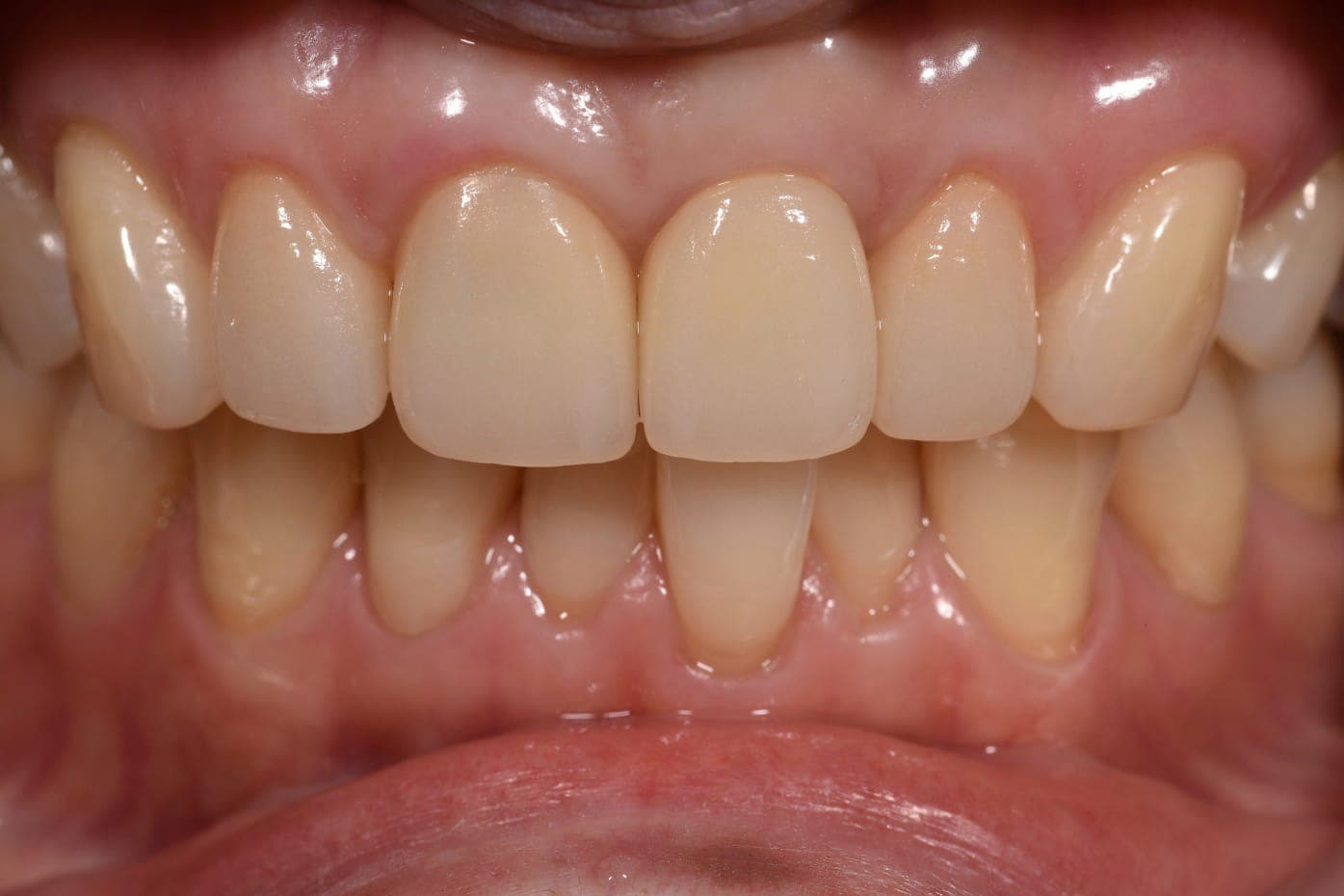
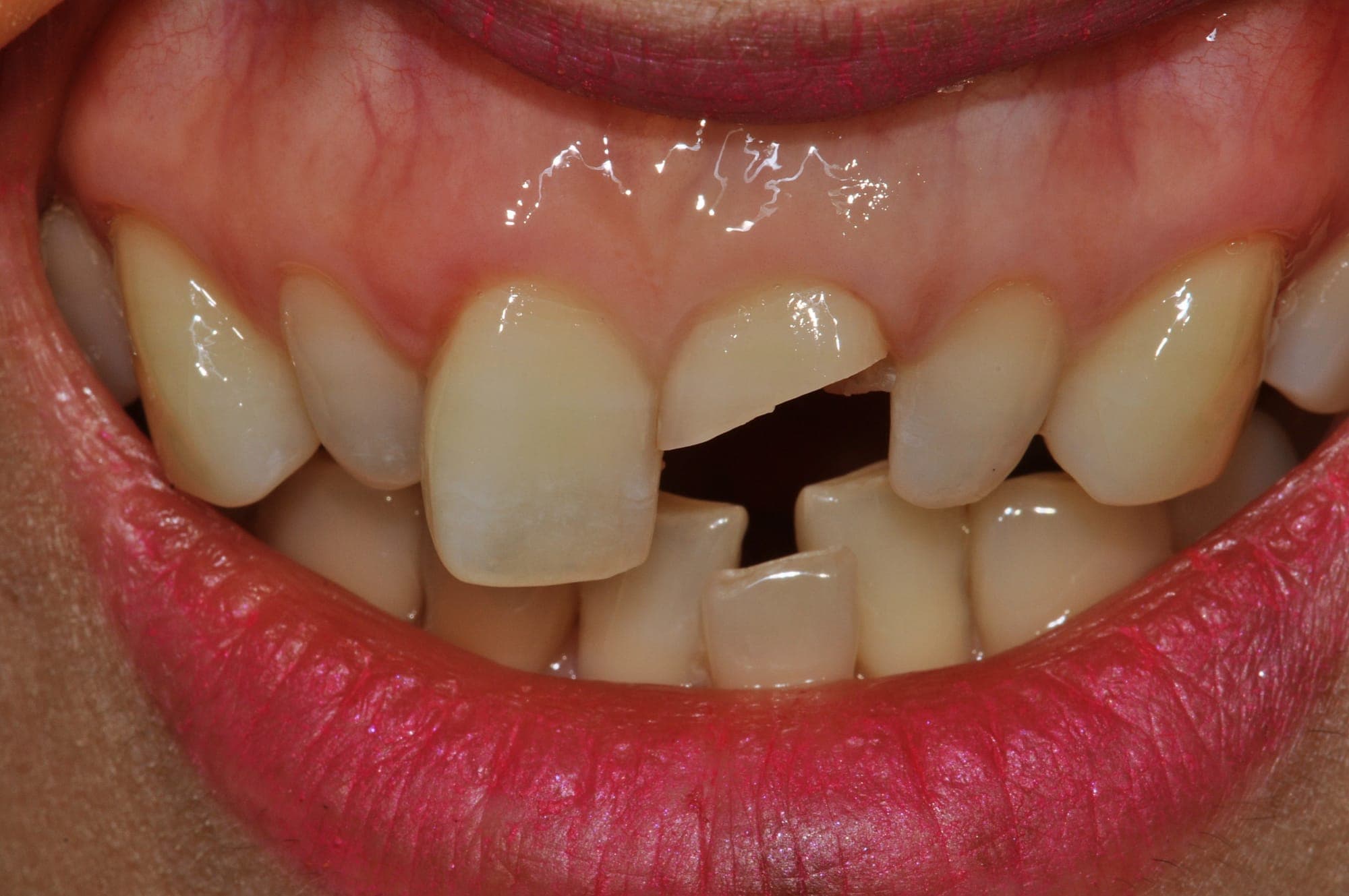
Single Implant at 5 Years
Use the slider to compare the missing-tooth site with the implant restoration after five years of function.
Drag to compare
Patient Education
Related Videos


Have questions about dental implants?
See Dental Implant FAQsReady for Your New Smile?
Take the first step toward permanent tooth replacement. Schedule your consultation to learn if dental implants are right for you.